Address
304 North Cardinal
St. Dorchester Center, MA 02124
Work Hours
Monday to Friday: 7AM - 7PM
Weekend: 10AM - 5PM
Address
304 North Cardinal
St. Dorchester Center, MA 02124
Work Hours
Monday to Friday: 7AM - 7PM
Weekend: 10AM - 5PM

$20.00
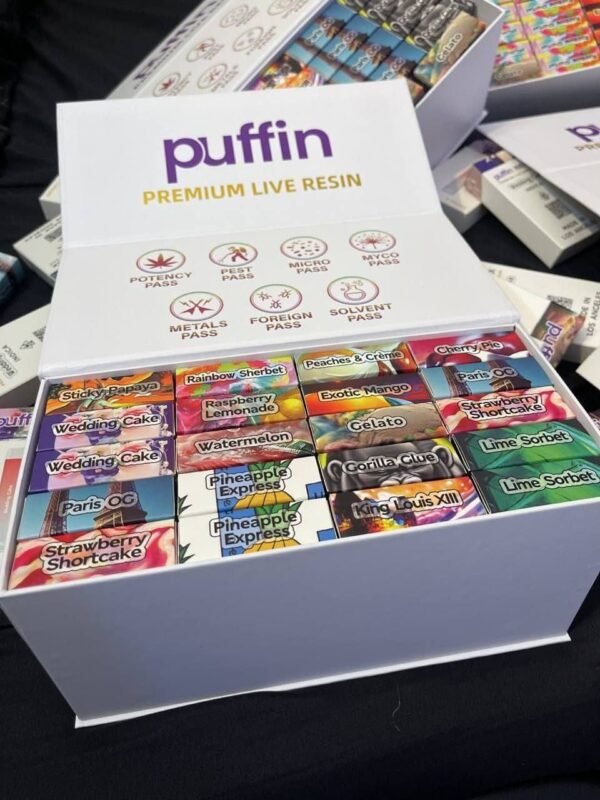
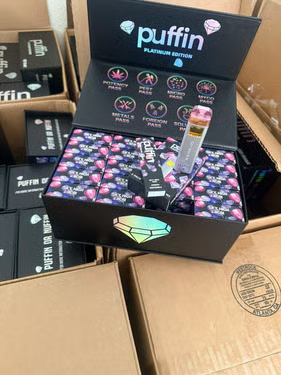
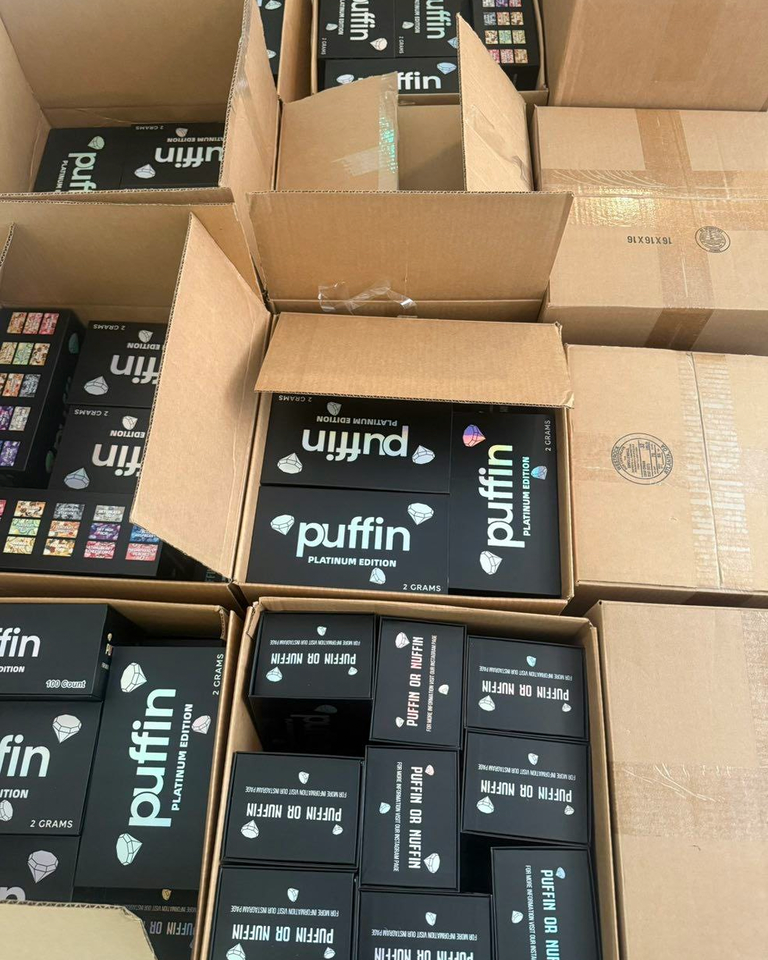
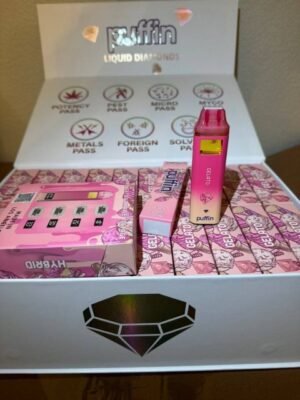
Puffin 2G Disposable Platinum Edition: Product Overview, Vaporizer Technology, Design and Specifications
The disposable vaporizer market includes products with different capacities, designs, electronic components, and construction methods. One product name appearing in this category is the Puffin 2G Disposable Platinum Edition.
The Platinum Edition name is used in online product listings associated with a two-gram disposable vaporizer. However, product descriptions from different sellers do not always provide consistent technical information. Understanding the distinction between advertised features and independently verified specifications is important when evaluating this product.
This article examines the terminology associated with the Puffin 2G Disposable Platinum Edition, including its product classification, exterior design, reservoir terminology, electronic components, labeling, laboratory documentation, and safety considerations.
The Puffin 2G Disposable Platinum Edition is identified in online listings as a disposable vaporizer product.
Its name contains several descriptive elements:
Puffin: The product or brand name used in listings.
2G: A designation generally associated with a two-gram quantity.
Disposable: A device category intended for limited-use operation rather than conventional long-term maintenance.
Platinum Edition: A product-line designation used to distinguish this version from other listed models.
These descriptions help identify the product category, but they do not independently establish its ingredients, precise construction, or manufacturing standards.
Consumers should rely on original packaging and traceable manufacturer documentation when checking individual specifications.
The term Platinum Edition is commonly used in consumer markets to distinguish a particular product version or collection.
It may refer to packaging, exterior appearance, product classification, or a manufacturer’s model designation.
However, the word platinum does not automatically establish that a device contains platinum components or uses a particular manufacturing process.
For accurate product identification, the following details are more useful:
Manufacturer identification.
Model number.
Packaging information.
Manufacturing batch.
Ingredient declaration.
Technical documentation.
Applicable safety certifications.
A descriptive product name should never replace verifiable technical information.
The 2G designation generally refers to two grams, although the precise meaning depends on the manufacturer’s labeling.
Consumers should distinguish between net contents, reservoir capacity, and actual usable material.
These measurements are not necessarily interchangeable.
A reliable product specification should explain what the stated quantity represents and whether it applies to the entire device or an individual compartment.
Exterior construction is one of the visible aspects used to distinguish different electronic vaporizer models.
Product listings for Platinum Edition devices may refer to metallic finishes, compact enclosures, or distinctive packaging.
However, visual descriptions alone cannot establish the materials used in manufacturing.
When evaluating an electronic device, useful exterior details include:
Enclosure material.
Mouthpiece construction.
Device dimensions.
Surface finish.
Printed model identification.
Packaging labels.
Electrical warning information.
These details help distinguish physical product characteristics from marketing terminology.
Disposable vaporizer devices combine electronic and mechanical components within a compact enclosure.
Common components in this product category include a battery, heating assembly, reservoir, airflow pathway, and mouthpiece.
The exact architecture varies between manufacturers.
The battery supplies electrical energy, while the heating assembly converts that energy into heat.
The reservoir contains the material intended for vaporization, and the airflow pathway provides an internal route for air movement.
The mouthpiece forms the external interface of the device.
Without a verified technical diagram, the exact internal configuration of the Puffin Platinum Edition should not be assumed.
Battery systems are important components of portable electronic devices.
Disposable vaporizers may use different battery configurations depending on their design.
Some products include rechargeable batteries, while others are designed around non-rechargeable systems.
Importantly, online descriptions of the Puffin Platinum Edition are inconsistent about charging functionality. Therefore, the exact battery configuration should be confirmed through manufacturer documentation rather than inferred from another seller’s listing.
Battery-related specifications worth examining include:
Battery chemistry.
Rated capacity.
Charging interface, if applicable.
Electrical protection features.
Manufacturer safety documentation.
Ceramic heating elements are used in some vaporizer designs.
Ceramic materials can provide a surface for transferring heat to a substance within an appropriate heating assembly.
However, not every vaporizer uses the same heating technology.
Descriptions mentioning ceramic components should be checked against reliable technical documentation.
A product listing that mentions ceramic construction does not independently prove the exact material composition or performance of the internal assembly.
Airflow is another important subject in electronic vaporizer engineering.
An airflow pathway connects the external air inlet with the mouthpiece.
Its dimensions and internal arrangement can vary between devices.
Relevant construction considerations include:
Air inlet placement.
Internal pathway materials.
Sealing components.
Mouthpiece construction.
Potential leakage points.
Assembly quality.
These are general engineering considerations rather than confirmed specifications of a particular Platinum Edition unit.
Ingredient transparency is essential when evaluating inhalable products.
Product descriptions should not be treated as substitutes for verified ingredient declarations.
For products containing regulated substances, documentation may include:
Cannabinoid identification.
Ingredient declarations.
Concentration information.
Contaminant screening.
Residual-solvent testing.
Heavy-metal testing.
Pesticide testing.
Laboratory documentation should correspond to the specific product batch.
Without an independently verifiable report, claims concerning purity, potency, or ingredient composition remain unconfirmed.
Laboratory testing can provide information about the composition and potential contaminants in regulated products.
A Certificate of Analysis, commonly abbreviated as COA, is a document that reports analytical testing results.
When examining such documentation, consumers should check:
Laboratory identification.
Sample identification.
Batch number.
Testing date.
Report authenticity.
Tested substances.
Analytical methods.
Reported results.
A QR code alone is not proof of laboratory testing. The destination should provide a traceable report that corresponds to the actual product.
Packaging plays an important role in product identification and consumer information.
The exterior packaging should provide sufficient details to distinguish the model from other products in the same product family.
Useful labeling information includes:
Product name.
Model designation.
Net quantity.
Manufacturer details.
Batch identification.
Ingredient information.
Safety warnings.
Applicable legal notices.
Packaging claims should be compared with available manufacturer documentation.
Authenticity is an important consideration in markets where products may be distributed through multiple independent sellers.
Similar packaging does not necessarily establish that two devices originate from the same manufacturer.
Verification should focus on reliable documentation instead of visual assumptions.
Important checks include manufacturer identification, traceable batch numbers, original packaging information, and independently verifiable laboratory reports.
Consumers should be particularly cautious about unsupported claims of guaranteed authenticity.
Different disposable vaporizer products may share similar external appearances while containing different internal components.
Differences can include:
Reservoir configuration.
Battery construction.
Heating assembly.
Exterior materials.
Electrical controls.
Packaging.
Ingredient composition.
A product name or appearance is not enough to establish technical equivalence between two devices.
Electronic vaporizers contain electrical components that require careful handling.
Lithium-based batteries can present safety risks when damaged or exposed to unsuitable conditions.
General electronic-device safety considerations include avoiding:
Crushing or puncturing the enclosure.
Exposure to excessive heat.
Contact with water.
Improper charging.
Unauthorized disassembly.
Continued handling of visibly damaged devices.
A device that becomes unusually hot, leaks, swells, or produces unusual odors should not be used.
Inhaling substances through electronic vaporization devices is not risk-free.
Potential concerns include respiratory irritation and exposure to contaminants or unidentified ingredients.
THC-containing products can also affect coordination, concentration, memory, and judgment.
People should not drive or operate machinery while impaired.
Products containing regulated substances should be stored securely away from children and pets.
Storage and disposal are important considerations for electronic products.
General precautions include protecting devices from excessive heat, moisture, and direct sunlight.
Disposable electronic products may contain batteries and other components that require specialized waste handling.
They should not automatically be treated as ordinary household waste.
Consumers should consult local electronic-waste and battery-recycling guidelines.
Regulations governing THC-containing products vary considerably between countries.
Depending on the jurisdiction, legislation may address:
Possession.
Distribution.
Manufacturing.
Retail sales.
Advertising.
Importation.
Age restrictions.
Product testing.
Packaging requirements.
Online availability does not establish that a particular product is legal to purchase, possess, or import.
Consumers should consult the relevant laws in their jurisdiction.
What is the Puffin 2G Disposable Platinum Edition?
It is a product name used in online listings for a disposable vaporizer associated with a two-gram designation.
What does Platinum Edition mean?
It is a product-line designation. It does not independently establish the materials or components used in the device.
What does 2G mean?
It generally refers to two grams, but the exact measurement should be confirmed through product labeling.
Is the Platinum Edition rechargeable?
Online descriptions are inconsistent. The battery configuration should be verified using manufacturer documentation.
Does it use ceramic heating technology?
Some third-party listings claim ceramic heating construction, but this specification requires independent confirmation.
How can consumers verify product authenticity?
Manufacturer documentation, batch identification, packaging details, and traceable laboratory reports are useful verification sources.
What is a Certificate of Analysis?
A COA is a laboratory document that reports analytical findings for a particular sample.
Are disposable vaporizers environmentally friendly?
They can contribute to electronic waste because they contain batteries and electronic components.
Are THC-containing vaporizer products risk-free?
No. Inhalation, unknown ingredients, contaminants, and THC-related impairment are all potential concerns.
The Puffin 2G Disposable Platinum Edition is a product designation associated with the disposable vaporizer category.
Understanding its terminology requires examining more than its name or exterior presentation. Product capacity, battery construction, heating technology, ingredients, packaging, and laboratory documentation all contribute to a more complete understanding of an electronic vaporizer.
The distinction between advertised specifications and independently verified information is particularly important when different online listings provide conflicting descriptions.
Ultimately, accurate product identification depends on reliable documentation, transparent labeling, and appropriate attention to consumer safety and applicable regulations.
Buy Puffin 2G Disposable Platinum Edition, Puffin Platinum Edition product information, Puffin 2G product specifications, Platinum Edition vaporizer terminology, disposable vaporizer technology, electronic vaporizer components, two gram product labeling, vaporizer battery technology, ceramic heating technology, vaporizer airflow design, disposable electronic devices, vaporizer ingredient transparency, laboratory testing documentation, Certificate of Analysis, product authenticity verification, vaporizer packaging information, electronic device safety, disposable vape battery safety, vaporizer manufacturing standards, product batch identification, electronic waste disposal, THC product regulations, vaporizer labeling requirements, consumer product safety, electronic vaporizer engineering



Reviews
There are no reviews yet.